|
Here is your copy of the latest issue of the newsletter. Enjoy! ͏ ͏ ͏ ͏ ͏ ͏ ͏ ͏ ͏ ͏ ͏ ͏ ͏ ͏ ͏ ͏ ͏ ͏ ͏ ͏ ͏ ͏ ͏ ͏ ͏ ͏ ͏ ͏ ͏ ͏ ͏ ͏ ͏ ͏ ͏ ͏ ͏ ͏ ͏ ͏ ͏ ͏ ͏ ͏ ͏ ͏ ͏ ͏ ͏ ͏ ͏ ͏ ͏ ͏ ͏ ͏ ͏ ͏ ͏ ͏ ͏ ͏ ͏ ͏ ͏ ͏ ͏ ͏ ͏ ͏ ͏ ͏ ͏ ͏ ͏ ͏ ͏ ͏ ͏ ͏ ͏ ͏ ͏ ͏ ͏ ͏ ͏ ͏ ͏ ͏ ͏ ͏ ͏ ͏ ͏ ͏ ͏ ͏ ͏ ͏ ͏ ͏ ͏ ͏ ͏ ͏ ͏ ͏ ͏ ͏ ͏ ͏ ͏ ͏ ͏ ͏ ͏ ͏ ͏ ͏ ͏ ͏ ͏ ͏ ͏ ͏ ͏ ͏ ͏ ͏ ͏ ͏ ͏ ͏ ͏ ͏ ͏ ͏ ͏ ͏ ͏ ͏ ͏ ͏ ͏ ͏ ͏ ͏ ͏ ͏ ͏ ͏ ͏ ͏ ͏ ͏ ͏ ͏ ͏ ͏ ͏ ͏ ͏ ͏ ͏ ͏ ͏ ͏ ͏ ͏ ͏ ͏ ͏ ͏ ͏ ͏ ͏ ͏ ͏ ͏ ͏ ͏ ͏ ͏ ͏ ͏ ͏ ͏ ͏ ͏ ͏ ͏ ͏ ͏ ͏ ͏ ͏ ͏ ͏ ͏ ͏ ͏ ͏ ͏ ͏ ͏ ͏ ͏ ͏ ͏ ͏ ͏ ͏ ͏ ͏ ͏ ͏ ͏ ͏ ͏ ͏ ͏ ͏ ͏ ͏ ͏ ͏ ͏ ͏ ͏ ͏ ͏ ͏ ͏ ͏ ͏ ͏ ͏ ͏ ͏ ͏ ͏ ͏ ͏ ͏ ͏ ͏ ͏ ͏ ͏ ͏ ͏ ͏ ͏ ͏
Institute of Ecological Agriculture Co-operativeIEA Newsletter | May 2026
|
A world that works for all?
|
|
The following story on the notion of an ecological civilisation heads our newsletter this edition. It reflects a serious level of concern about the direction of civilisation in these apocalyptic times. The author of these sentiments is Jeremy Lent. Jeremy will release his latest book this month: Ecocivilization: Making a World that Works for All. He prefaces his book with the following reflection: The Doomsday Clock stands at 85 seconds to midnight – the closest to catastrophe in its history (see Mecklin, 2026). Scientists, UN secretaries-general and climate researchers are all pointing in the same direction. And yet, like a crowd dancing together following the Pied Piper off the cliff, our civilization continues its trajectory – each institution assuming the path must be navigable because so many others are taking it.
|
What would it mean to actually change course? A civilization built on a different foundation would start from an acknowledgment that the deep interconnectedness of all life is not romantic aspiration but scientific fact – confirmed by complexity science, systems biology, and Earth science, and affirmed by wisdom traditions of cultures that never lost that understanding. From this recognition, different goals follow: not perpetual growth but setting the conditions for all people to flourish on a regenerated Earth. Not maximization of returns on capital but the kind of reciprocal, mutualistic relationship with living systems that makes long-term human wellbeing possible. There is no blueprint that will save us. No one person or group can design in advance what such a civilization will look like in its particulars. But a framework of core principles can orient us – the way a distant horizon orients a traveller moving through unmarked terrain. You may not yet see the exact path but knowing the general direction changes everything about which opportunities you embrace and which you recognize as alluring detours. The trance that keeps us from seeing this is powerful. But it has been broken before. Every paradigm that once seemed like reality itself — the divine right of kings, the natural inferiority of women, the Earth at the centre of the universe – turned out to be a myth that was shattered. The widespread acceptance of TINA – there is no alternative (see Lent, 2026) – is the defining myth of our moment. The first act of system change is to stop believing it.
|
|
IEA footnote: The Institute of Ecological Agriculture has broken from the old paradigm and seeks a more holistic approach to food and fibre production. We maintain that there is mounting evidence to support the assertion that regenerative/ecological agriculture can produce food and fibre equal to or better than conventional agriculture over the longer term. The purpose underlying regenerative agriculture is to utilise systems that enable an improvement in soil carbon and, therefore, soil water. Jeremy’s writings about the direction of civilisation will be available from May 26 and published by Melville House. His book’s title: Eco civilization: Making a World that Works for All.
|
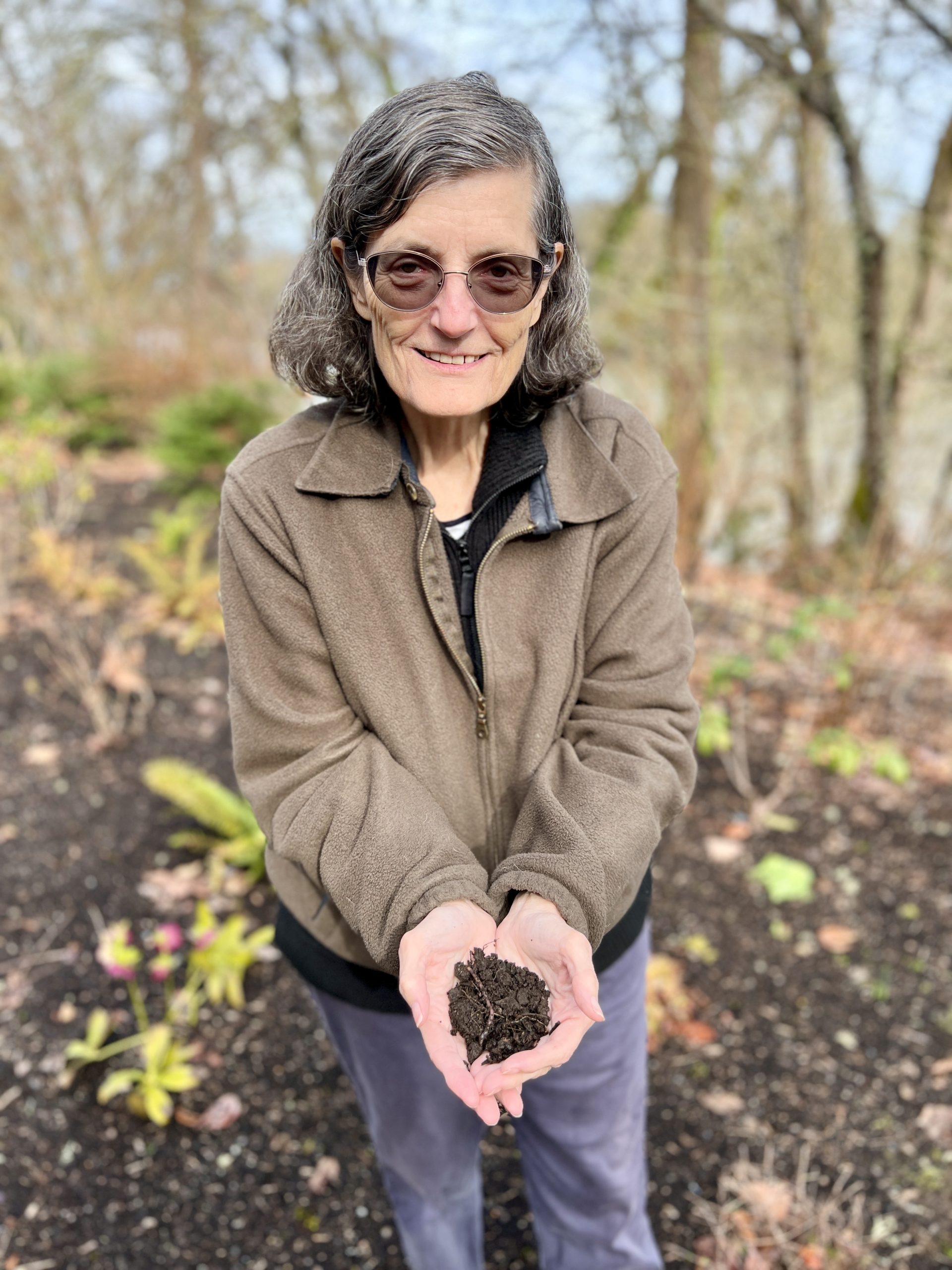
A Titan passesElaine Ruth Ingham PhD, well remembered for her workshops on soil biology and soil ecology, died in February this year.
|
|
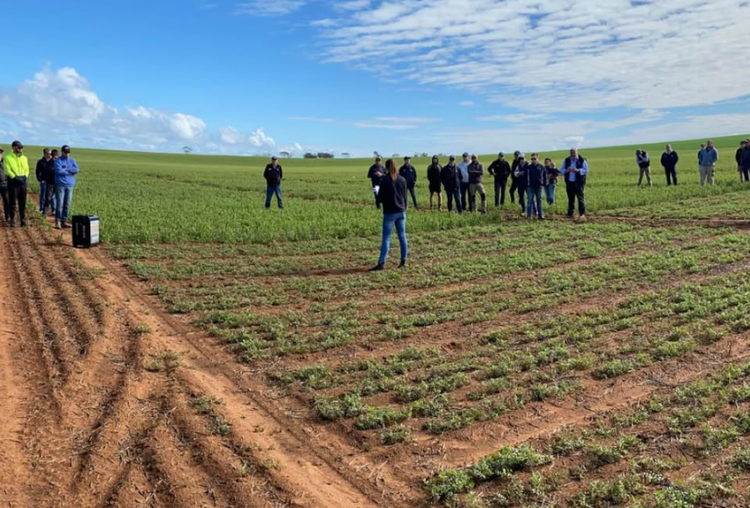
Elaine Ruth Ingham PhD, groundbreaking microbiologist and a leader in the regenerative agriculture movement, died on 16 February in Fort Mill, South Carolina, with her husband by her side. She was 73 years old. Ingham was known for her soil science research that developed the concept of the soil food web. She championed the critical role of microorganisms in building healthy, sustainable ecosystems. As a researcher, educator and mentor, her pioneering studies and advocacy empowered farmers, scientists, and environmentalists worldwide to restore and sustain soil health. Elaine Ingham’s work, including dozens of research papers published in scientific journals in the 1980s and 1990s, brought her to an early understanding of the importance of soil microbiology for plant health. In addition to her paradigm-shifting research in the field of soil science, Ingham popularised the teaching of microscopy and the making of compost and compost tea through business and educational endeavours that included the Soil Food Web school. Ingham will be remembered by her many soil science and farmer students as someone who advocated for soil health as environmental and public health, and who explored and remained ever fascinated by the soil’s web of life. She is survived by her husband, two children, two grandchildren, and a grand-dog. To continue her life’s work, her family requests planting a tree or making a donation to the Soil Food Web Foundation. And speaking of soils … The Buckleboo Farm Improvement Group, a group of producers from the Eyre Peninsula, has received a grant for its work towards achieving regenerative agriculture. The video at the following link demonstrates some of the principles of regen agriculture as told by farmer Ben and interviewer Ellen.
|
|
|
Buckleboo Farm Improvement Group doing things together. Source |
|
|
Background and video link here The starting point for change when it comes to regenerative agriculture is to ask the question, what represents a healthy soil? That question was posed on Landline on 10 May. The program studied two farmers who have changed their practices to enable the farm soil to develop its biological life and to funnel that outcome into livestock and/or plant life. If you are concerned about fuel prices and the long-term trend in fertiliser costs then here is an obvious solution: Watch the story here
|
Realising ‘community dynamics’Meet Barbara Howard and consider what she thinks about the importance of community dynamics as a facet of regenerative agriculture… Barb reflects on how this concept has quietly shaped her life long before it had a name. Rooted in early intimations of reciprocity – giving more than you get – her understanding was shaped by both rural and urban experiences of community, and the contrast between relationship-based and service-based
living. Drawing on family history and ecological thinking, she highlights how strong communities depend on connection, not just efficiency. As rural populations shift and young people leave, something essential can be lost: the informal networks of care, observation, and support that sustain resilience. Using the metaphor of the ecological understory, she reminds us that the most vital contributions are often invisible – care, listening, and bridging relationships. Community dynamics, like healthy ecosystems, rely on diversity, reciprocity, and participation. These qualities are not things to be managed from above, but a living practice we are all part of. Read more here
|
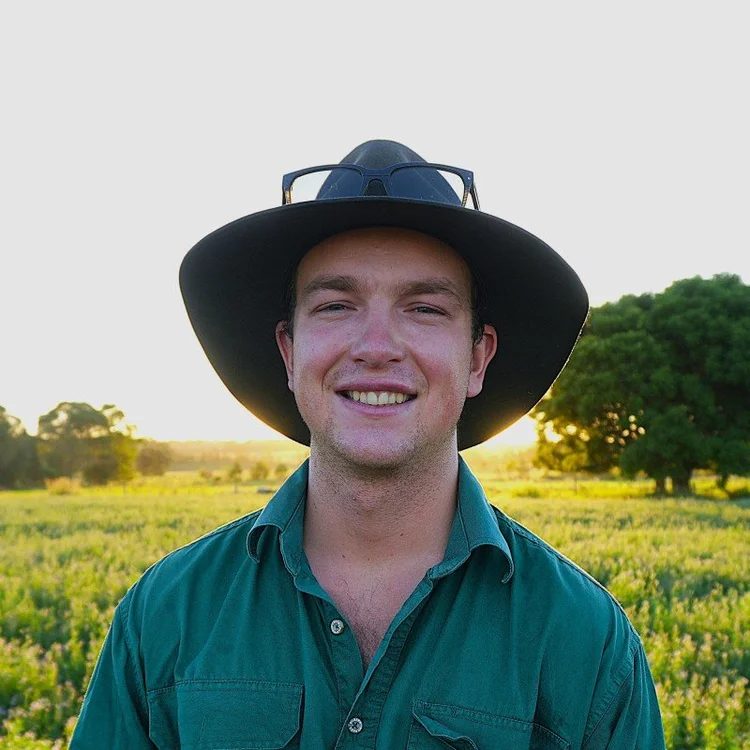
Community dynamics in actionA good example of community dynamics in action is student Angus Neaves and his initiative, and why he did what he did.
|
|
“I love agricultural events. They have always been one of the most valuable parts of my learning. Whether it’s field days, workshops, conferences, or small local gatherings, they’re where ideas are tested, connections are built, and where the agriculture community starts to grow. “But I kept running into the same problem: finding these events wasn’t easy. They were scattered across different websites, social media pages, and word of mouth. I knew I was missing opportunities. I figured others probably were too. “So I built Ag Events Australia, a simple, central place to discover agricultural events across the country. My goal is to make it easier for farmers, students, and industry professionals to find events near them, connect with others, and keep learning. “If you value getting off-farm, meeting new people, and seeing what’s happening across the industry, I’d love for you to check it out. And if you know of events that should be on there, send them in via the website's submit section. This is something I want to grow with our community.” Find it here Speaking of an agricultural event, Permaculture Australia has organised a terrific 6 day global event that you can attend online. The program is exciting with many notable speakers. Take a look and register here. It starts on Wednesday 20th May.
|
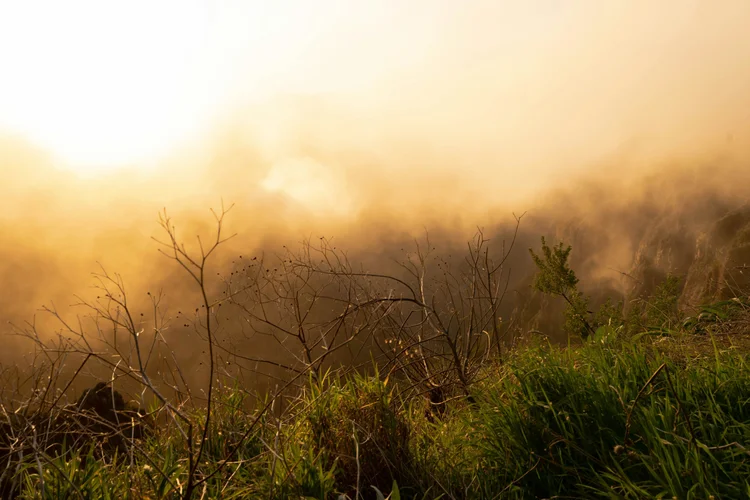
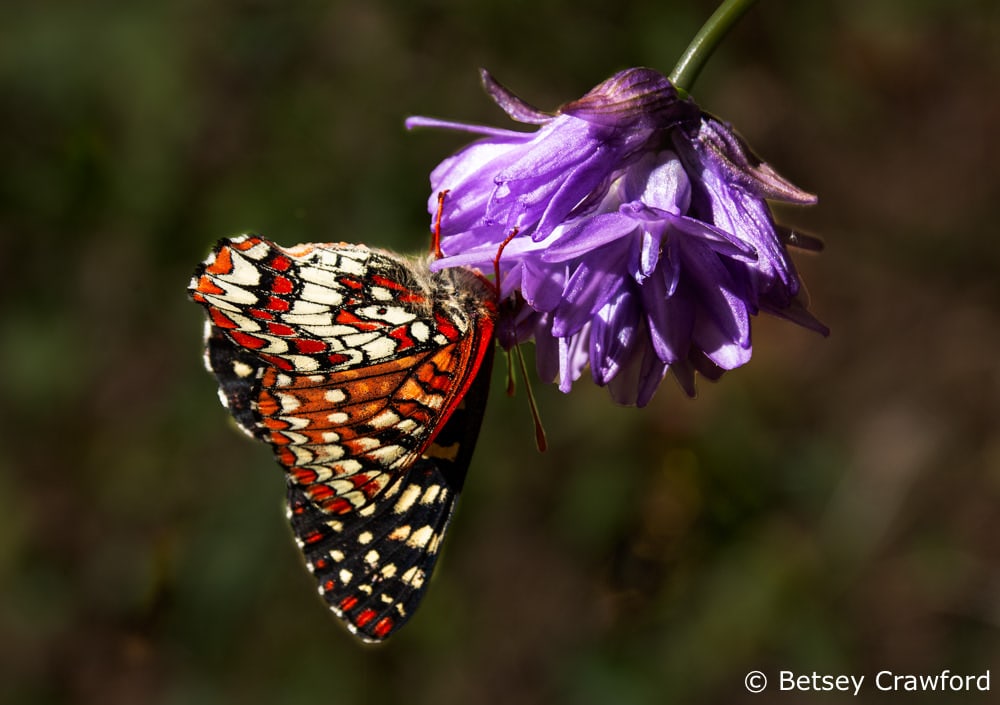
A wee conundrumHere’s an image that might speak to you. What does it say? Test it out with a friend; perhaps they have an answer. Want to see what it means to the photographer? Then turn to the last page of this newsletter.
|
Regenerative agriculture and its pursuit of visionary goalsJohn Kempf is an American ecological agronomist and as such is a rare find in terms of planetary agronomy. Most agronomists nowadays are linked closely to fertiliser companies and of course spruik their mantra. Not John, as you will find if you listen to a recent podcast. In the podcast, John explores soil nutrition and explains why conventional nitrogen strategies often lead to loss, inefficiency and disrupted soil biology. Drawing from real world agronomy, John outlines a biology-centric approach to nitrogen management that improves profitability, reduces synthetic inputs, and strengthens plant resilience. Topics include nitrogen timing, loss prevention, biological on-ramps and off-ramps, and practical strategies for in-season management. The webinar concludes with a live Q&A segment, where he answers grower questions and offers help on implementation. Listen to the podcast here
|
Learning to test soils yourselfThis is a skill worth developing. It is not difficult; in fact it’s quite simple if you follow the steps in the following story. Soil HASH 1 is a landholder level version that helps you manage soil health for yourself. Read on
|
Marketing of produceLearning how to assess your soils is one thing but putting on a different hat in order to market produce is another. The story at the following link demonstrates what is happening in Melbourne on this front. This web address may well be worth bookmarking. I’m sure an extraordinary amount of energy goes into this project. Melbourne Local Food Connect calendar
|
Glyphosate: good or not good?During 2025 the IEA Newsletter received a press release from Andre Leu PhD who, besides being Director of Regenerative International, is a Port Douglas-based primary producer. The headline says it all: The science shows Glyphosate must be bannedWe received a substantial article and can only include a selection here. The first two paragraphs raise serious ethical issues. The primary scientific study pesticide regulators worldwide used to justify the approval of Glyphosate, the active ingredient in Roundup and many other herbicides, has been retracted due to fraud. This study by Gary Williams, Robert Kroes, and Ian Munro, was used to cast doubt on the numerous published studies showing that Glyphosate caused cancers and many other diseases. Researchers Alexander A. Kauro and Naomi Oreskes published a study in Environmental Science and Policy journal that identified multiple flaws in the Williams paper, including the fact that it was ghost written by Monsanto employees, which constitutes academic fraud. [1] The Williams paper used unpublished studies from Monsanto and ignored a large number of scientific studies showing the multiple diseases Glyphosate causes, including cancer. This paper was cited and used by regulators as the basis for approving the use of glyphosate-based pesticides and overriding the evidence presented in hundreds of studies showing the immense harm caused by it to human health and the environment. This retraction comes a few months after the landmark study on glyphosate by Panzacchi et al., which was published on June 10, 2025, examining total lifetime exposure to the so-called ‘safe’ levels to which most people are subjected [2]. The study found that the lowest dose of 0.5 mg/kg, which is four times lower than the US Environmental Protection Agency’s (EPA) proposed ‘safe’ level, caused increased rates of both benign and malignant tumours in various parts of the body compared to the controls. These tumours included leukemia and skin, liver, thyroid, nervous system, ovary, mammary gland, adrenal gland, kidney, urinary bladder, bone, endocrine system, pancreas, uterus and spleen tumours. [2,3] Now that the Williams et al. study has been retracted, the main reason for trusting the safety of glyphosate-based herbicides has disappeared, leaving no reason to avoid banning these highly toxic poisons that pollute nearly every part of the environment and the bodies of most living creatures, especially us and our children. There are many published scientific studies showing that glyphosate-based pesticides are responsible for multiple serious health problems for people, animals and the wider environment. The widespread adoption of GMO crops in the U.S. has resulted in a massive increase in the application of glyphosate, the active ingredient in Roundup, as the primary method.
References
Alexander A. Kaurov and Naomi Oreskes, The afterlife of a ghost-written paper: How corporate authorship shaped two decades of glyphosate safety discourse, Environmental Science and Policy 171 (2025) 104160 Panzacchi, S., Tibaldi, E., De Angelis, L. et al. Carcinogenic effects of long-term exposure from prenatal life to glyphosate and glyphosate-based herbicides in Sprague–Dawley rats. Environ. Health 24, 36 (2025). https://doi.org/10.1186/s12940-025-01187-2 EPA R.E.D. FACTS Glyphosate. https://www3.epa.gov/pesticides/chem_search/reg_actions/reregistration/fs_PC-417300_1-Sep-93.pdf
|
In-house news from the Institute of Ecological Agriculture CooperativeA strategic plan is the focus of a special meeting to be held by the Board on Monday 1st June. The meeting is to be held by Zoom. A special accreditation meeting will be held on Monday 18th May and the guest speaker will be Luke Richards who is the Calvin Muller Scholarship winner for 2026. Luke will address his intentions regarding the scholarship. If you are interested in what Luke has to say or interested in learning more about the accreditation program then please contact the editor (kcochrane@ecoag.org.au) The Institute welcomes Erika Van Schellebeck to the Board. Erika has an extensive background in regenerative agriculture given her work with environmental education, and of late as an educator with Soil C Quest, an Orange-based not-for-profit entity. Erika will manage the membership component of the Board’s activities.
|
The answer to the photo puzzleThe power of interrelatedness (Photo by USA photographer and poet Betsey Crawford)
|
Sharing the good oil!The IEA Newsletter seeks to circulate more widely. We offer a timely and emergent view on agriculture. Do help the organisation to grow by circulating it to anyone you believe might be interested in its focus, and those who may not yet have commenced the journey but may be intrigued to do so. If you would like to receive the free newsletter go to our website (www.ecoag.org.au), click on Resources and then Newsletter and request a copy. If you would like to become a member of the Institute, go here: https://www.ecoag.org.au/membership. Editor: Kerry Cochrane
Design & presentation: Tony McKenzie PhD
|
|
|
|