|
IEA Newsletter | December 2022-January 2023͏ ͏ ͏ ͏ ͏ ͏ ͏ ͏ ͏ ͏ ͏ ͏ ͏ ͏ ͏ ͏ ͏ ͏ ͏ ͏ ͏ ͏ ͏ ͏ ͏ ͏ ͏ ͏ ͏ ͏ ͏ ͏ ͏ ͏ ͏ ͏ ͏ ͏ ͏ ͏ ͏ ͏ ͏ ͏ ͏ ͏ ͏ ͏ ͏ ͏ ͏ ͏ ͏ ͏ ͏ ͏ ͏ ͏ ͏ ͏ ͏ ͏ ͏ ͏ ͏ ͏ ͏ ͏ ͏ ͏ ͏ ͏ ͏ ͏ ͏ ͏ ͏ ͏ ͏ ͏ ͏ ͏ ͏ ͏ ͏ ͏ ͏ ͏ ͏ ͏ ͏ ͏ ͏ ͏ ͏ ͏ ͏ ͏ ͏ ͏ ͏ ͏ ͏ ͏ ͏ ͏ ͏ ͏ ͏ ͏ ͏ ͏ ͏ ͏ ͏ ͏ ͏ ͏ ͏ ͏ ͏ ͏ ͏ ͏ ͏ ͏ ͏ ͏ ͏ ͏ ͏ ͏ ͏ ͏ ͏ ͏ ͏ ͏ ͏ ͏ ͏ ͏ ͏ ͏ ͏ ͏ ͏ ͏ ͏ ͏ ͏ ͏ ͏ ͏ ͏ ͏ ͏ ͏ ͏ ͏ ͏ ͏ ͏ ͏ ͏ ͏ ͏ ͏ ͏ ͏ ͏ ͏ ͏ ͏ ͏ ͏ ͏ ͏ ͏ ͏ ͏ ͏ ͏ ͏ ͏ ͏ ͏ ͏ ͏ ͏ ͏ ͏ ͏ ͏ ͏ ͏ ͏ ͏ ͏ ͏ ͏ ͏ ͏ ͏ ͏ ͏ ͏ ͏ ͏ ͏ ͏ ͏ ͏ ͏ ͏ ͏ ͏ ͏ ͏ ͏ ͏ ͏ ͏ ͏ ͏ ͏ ͏ ͏ ͏ ͏ ͏ ͏ ͏ ͏ ͏ ͏ ͏ ͏ ͏ ͏ ͏ ͏ ͏ ͏ ͏ ͏ ͏ ͏ ͏ ͏ ͏ ͏ ͏ ͏ ͏
Institute of Ecological AgricultureIEA Newsletter | December 2022-January 2023
|
EditorialThe AGM of the IEA was held on the 7th November, 2022 and led to a new board of 10 being elected for the next 12 months. The election consolidated the role of the IEA as a professional agency for those connected to ecological (regenerative) agriculture. Five of the new Directors are graduates of the Regenerative Agriculture courses at Southern Cross University or are currently enrolled. Another three are, or have been, associated with SCU in the past at the teaching or administration level. This is an important development for the evolution of this form of agriculture in Australia. As it stands most universities in Australia teach conventional agriculture based on reductionist science. Whilst we don’t dispute the importance of this form of science, we do not believe that reductionism has been good for the environment. In the contest between production and conservation a duality is established where one entity wins, and the remaining entity does not. In a reductionist science worldview production is the dominant player. An expression of this would be the liberalisation of vegetation clearing guidelines in NSW and Qld. What the IEA stands for is an approach to agriculture which is broader and embraces holistic and reductionist science. What is more we believe that the constant reference point central to decision-making should be that of holism, and that reductionism needs to serve the function of holism. To cite psychiatrist and author Dr Iain McGilchrist, who has written about this in The Matter of Things, a study on right brain-left brain thinking, the right brain, which represents holistic thinking, needs to be dominant, and the left brain, which is reflective of reductionist thinking, needs be its servant (or slave). This is an important issue and one that is rarely mentioned in conventional agricultural circles. And yet it is how we think that determines what we do! In essence, we have two brains in one, both of which need to be exercised, but how they are exercised, and in what proportion, is the issue. The question of how we think and feel determines what we do, and how we do it, will be the theme of a combined webinar/workshop that the IEA will be offering in the New Year. If you are at all interested in such matters then please send your name, phone number, and email address to connect@ecoag.org.au. The webinar/workshop has received a grant from the Federal Government and will be offered at a greatly reduced price. These sessions would be of particular value to those intending to seek accreditation in ecological (regenerative) agriculture through the IEA. The IEA will run the workshop/webinar series in any region that can muster up at least 16 participants.
|
|
Kerry Cochrane, President
|
Members of the Board of the IEA for 2022/23Kerry Cochrane, President, Orange NSW Ethan Gordon, Vice-president, Ebor NSW/Melbourne VIC Adam Coates, Secretary, Kyogle NSW Jono Forrest, Treasurer, Cooma NSW Steve Clarkson, Fundraising & Extension, Hunter Valley NSW Katharine Brown, Accreditation Coordinator, Kiama NSW Lorraine Gordon, Education, Ebor/Lismore NSW Chanelle Abdiprano, SCU Student Representative, Unanderra NSW Nathan Strawbridge, Membership & Volunteer Coordinator, Flaxley SA Susan Hill, Marketing & Communications, Melbourne VIC
|
|
You can learn a little more about each of the IEA board members here.
|
|
Please feel free to contact us at any time.
|
Regenerative or conventional agriculture?Regenerative agriculture versus conventional agriculture is always a debateable issue and, in that context, the following article has some useful insights. The reference point is the USA, and the journalist is Tom Quisel of the Regenerative Agriculture Newsletter. Here is his story:
|
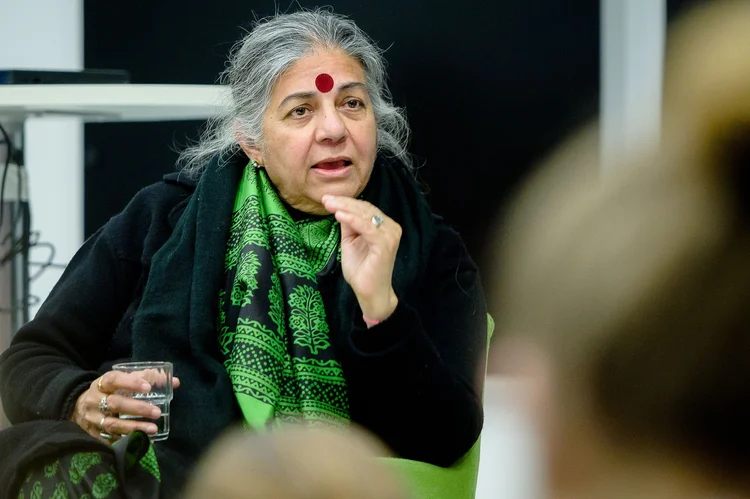
An inspiring humanThe IEA Newsletter often carries stories that have their origins overseas and at first glance one might wonder how the subject matter might apply in Australia. We believe that we can draw on overseas experience and for that reason we carefully select stories to enhance our understanding of life’s issues. The following is one such story, an interview with one of the world’s leaders on regenerative agriculture. The interviewer is Nate Hagens and the interviewee is Vandana Shiva. The theme is agroecology and regenerative agriculture. Here we give Nate Hagens’ introduction, then a link to the interview clip. Today, ecology activist and regenerative agriculture advocate Vandana Shiva joins me to discuss how her lifetime of work has shaped the way she sees the world. From chaining herself to trees to winning against powerful agriculture giants like Monsanto, Vandana shares the many lessons she’s learned in fighting for food systems that are better for the Earth and better for humans. Vandana Shiva is a well-known activist, author of many books, and is a global champion on regenerative local agriculture, biodiversity and nutritious food. She has a PhD in physics and 40 years ago founded the Research Foundation for Science, Technology and Ecology, an independent research institute that works on the most significant ecological problems of our times. On this platform, we’ve talked about industrial agriculture’s impact on Earth’s ecosystems (Jason Bradford, Betsy Taylor) - now we discuss what it does to those who produce and consume it. Can we shift away from fossil input intensive agriculture that produces commodities lacking in full nutrients towards one with more labour, more community, and more nutritious food? I learned a lot from Vandana Shiva. What an inspiring human. Please watch and share.
|
What would regenerative agriculture look like on my place?Regenerative agriculture is not a prescription. There are no set rules or formulas to follow. Instead, regenerative agriculture depends on individual farmers applying principles to their specific operations. Here is an article offering some fundamental principles on regenerative agriculture and soil health:
|
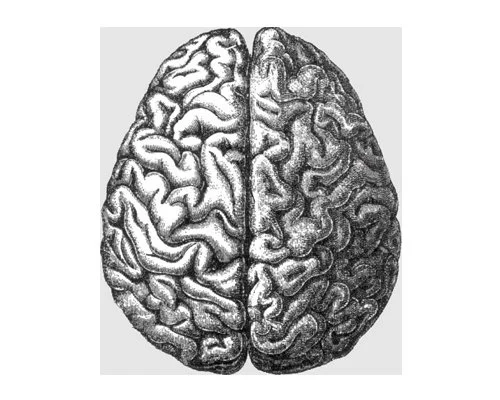
Worth pondering on over the Christmas break...The editorial in this edition makes reference to the thoughts of Dr Iain McGilchrist (psychiatrist), known in particular for two books: The Master and the Emissary and The Matter of Things. Both explore the brain and specifically the distinction between the right and left sides of the brain. McGilchrist’s premise is that the world today is too focused on left brain thinking which is associated with reductionism whereas the focus should be on its neighbour – the right brain – and its emphasis, in part, on holism. If all this is news to you, please take 40 minutes to view the video presentation in the following link. McGilchrist’s perspective can help explain why phenomena like climate change do not always attract a balanced assessment.
|
|
|
The hemispheres of a human brain. Source: Wikimedia Commons | This file has been identified as being free of known restrictions under copyright law, including all related and neighbouring rights. |
|
|
As we head towards the New Year it might be worthwhile reflecting on the growth of regenerative agriculture as a notion that many are now embracing. Where did the term come from, and is it so very new and special after all? The following link will provide an answer.
|
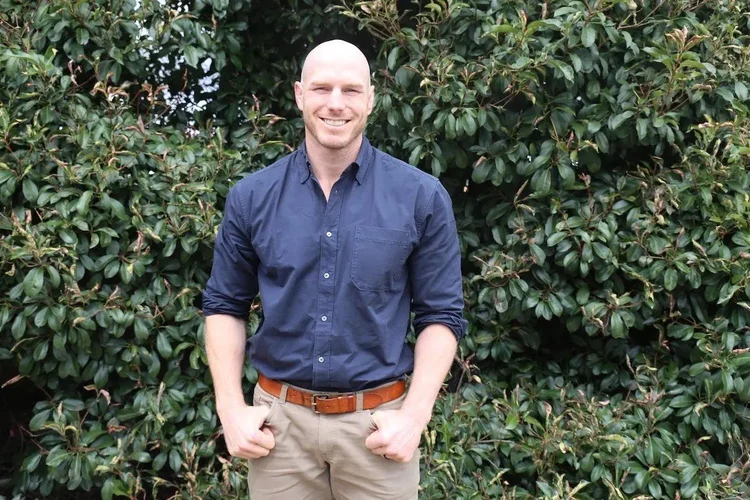
Senator David Pocock makes his mark in Federal ParliamentDeciding on employment regulations is a long way from his degree in Ecological Agriculture from Charles Sturt University and his Masters in Sustainable Agriculture from the same university (together with Southern Cross University). But that was his challenge this week. David received high praise from Prime Minister Anthony Albanese for his fair-minded, objective assessment of the employment legislation. Whether it is playing rugby for Australia, studying at university, or engaging in debate in parliament, it is a reflection of his character that he will give it his all. This point was reinforced recently with a report in the SMH (29.11.22) that David Pocock wrote an acronym in his football locker to remind him of his central value. It read DWYSYWD which when translated says Do What You Say You Will Do!
|
|
|
David Pocock. © 2022 Macquarie Publishing. Source: CBR Citynews. Photo Belinda Strahorn |
|
… and a final note for 2022Here’s to a brighter happier future in 2023 particularly in regard to climate change but also to many of the troubling issues that exacerbate climate change, and in particular, the war in Ukraine. 2023 has to be better! On that note the Board of the IEA says: Thanks for your support in 2022 and we look forward to a year ahead which will enable the Institute to express more of its potential. We wish you, your families and communities a restful and joyous season and a year ahead full of hope.
|
|
Newsletter compiled by Kerry Cochrane with website & posting technical assistance from Susan Hill & Tony McKenzie
|
|
|
|