Here is your copy of the latest issue of the newsletter. Enjoy! ͏ ͏ ͏ ͏ ͏ ͏ ͏ ͏ ͏ ͏ ͏ ͏ ͏ ͏ ͏ ͏ ͏ ͏ ͏ ͏ ͏ ͏ ͏ ͏ ͏ ͏ ͏ ͏ ͏ ͏ ͏ ͏ ͏ ͏ ͏ ͏ ͏ ͏ ͏ ͏ ͏ ͏ ͏ ͏ ͏ ͏ ͏ ͏ ͏ ͏ ͏ ͏ ͏ ͏ ͏ ͏ ͏ ͏ ͏ ͏ ͏ ͏ ͏ ͏ ͏ ͏ ͏ ͏ ͏ ͏ ͏ ͏ ͏ ͏ ͏ ͏ ͏ ͏ ͏ ͏ ͏ ͏ ͏ ͏ ͏ ͏ ͏ ͏ ͏ ͏ ͏ ͏ ͏ ͏ ͏ ͏ ͏ ͏ ͏ ͏ ͏ ͏ ͏ ͏ ͏ ͏ ͏ ͏ ͏ ͏ ͏ ͏ ͏ ͏ ͏ ͏ ͏ ͏ ͏ ͏ ͏ ͏ ͏ ͏ ͏ ͏ ͏ ͏ ͏ ͏ ͏ ͏ ͏ ͏ ͏ ͏ ͏ ͏ ͏ ͏ ͏ ͏ ͏ ͏ ͏ ͏ ͏ ͏ ͏ ͏ ͏ ͏ ͏ ͏ ͏ ͏ ͏ ͏ ͏ ͏ ͏ ͏ ͏ ͏ ͏ ͏ ͏ ͏ ͏ ͏ ͏ ͏ ͏ ͏ ͏ ͏ ͏ ͏ ͏ ͏ ͏ ͏ ͏ ͏ ͏ ͏ ͏ ͏ ͏ ͏ ͏ ͏ ͏ ͏ ͏ ͏ ͏ ͏ ͏ ͏ ͏ ͏ ͏ ͏ ͏ ͏ ͏ ͏ ͏ ͏ ͏ ͏ ͏ ͏ ͏ ͏ ͏ ͏ ͏ ͏ ͏ ͏ ͏ ͏ ͏ ͏ ͏ ͏ ͏ ͏ ͏ ͏ ͏ ͏ ͏ ͏ ͏ ͏ ͏ ͏ ͏ ͏ ͏ ͏ ͏ ͏ ͏ ͏ ͏ ͏ ͏ ͏ ͏ ͏ ͏
Institute of Ecological Agriculture

Institute of Ecological Agriculture Co-operative

IEA Newsletter | October 2026


Editorial

Last week we posted a short news item covering the AGM of the Institute of Ecological Agriculture (www.ecoag.org.au). Included in that post were details of the 1000 farm research program undertaken by USA farmer and former scientist Jon Lundgren, and others connected to regenerative farming. This is what they found:

It examined 200 North American farms, ranging from ‘conventional’ to ‘regenerative’ in their management approach. This is the first study of its kind because it assesses a statistically significant number of farms using a whole farm approach that encompasses soils, carbon, biodiversity and profitability.

The findings are staggering. ‘Regenerative’ farms had on average 65% more microbes, 180% more fungi including 370% more arbuscular mycorrhizal fungi, 39% greater ground cover, more than 200% more arthropods/insects (only 4% of which were pests) and 236% more bird diversity. And the study found that soil carbon correlates directly with biodiversity – in other words, more soil carbon equals more biodiversity – with ‘regenerative’ farms having on average 39% more total carbon in their soils. Yes, these farms had lower yields, but they were just as profitable as ‘conventional’ farms.

Eli Court, CEO, Soils for Life Australia, commented: ‘It’s exciting to see more scientific evidence supporting what farmers have been telling us for years. I’m thrilled to be working with Jon and his team at Ecdysis Foundation to bring this research to Australia.’ [Soils for Life Australia Newsletter, Spring 2026]

The data covering 200 North American farms have significant implications. They highlight what can be achieved in the absence of synthetic chemicals and what can be achieved through a set of processes which add life to the soil. It is well worth 70 minutes of your time to listen to the podcast with Jon Lundgren which can be found on the RegenNarration podcast, broadcast on 2 September 2026, Episode 319.

 Click here to listen 

Jon Lundgren will be in Australia in October 2026 and again in March 2027 so best keep an eye out for where he is speaking.

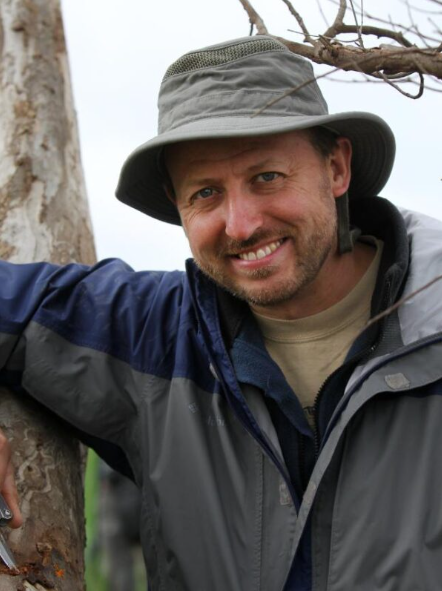
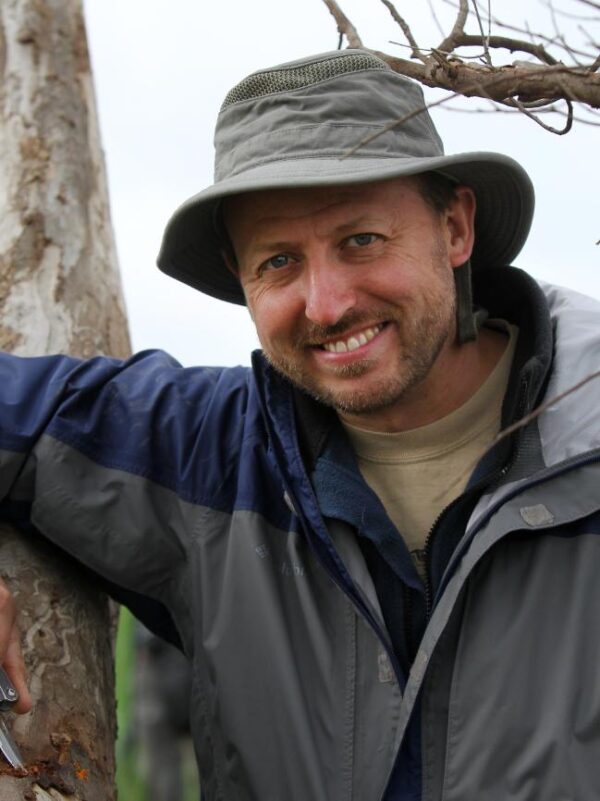
Jon Lundgren [Source]

Lundgren’s account of his life as a farmer includes the following:

  1. The critical thing is life on the farm. In other words, increased biodiversity. I get [producers] to think about whether their management decisions will do that. It’s not how many soybeans I get per acre but how many different species I can get per acre.

  2. On health: I could tell you I worked on risk assessment for 25 years in the USA Department of Agriculture. I advised the US EPA and the European Food Safety Authority on pesticide risk and genetically modified crop risks. There are 20,000 formulations of several hundred active ingredients. The active ingredients are the only ones that have to pass through any kind of regulation. There are 20,000 formulations – who is going to manage this number?

  3. The farm is called Ecdysis which means shedding old skin and that is what has happened through the regenerative agriculture door that I entered.

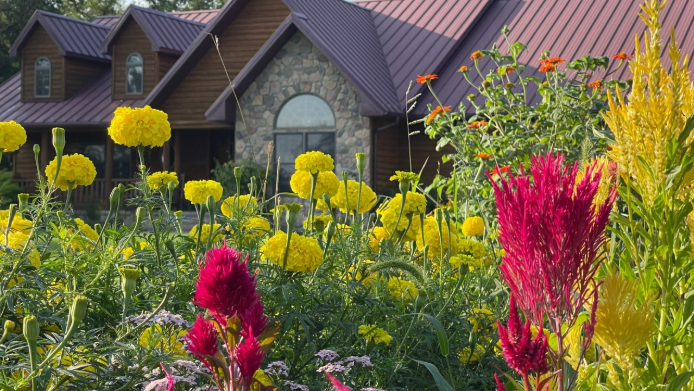
Proliferating species

Abundance in diversity, diversity in abundance [Source]


Stories on regenerative agriculture from the USA

  • Your soil is talking: 7 field clues you can see without a lab

  • ‘Medicine to the Land’: How regenerative agriculture might help avert disaster

  • Soil health in organic production shows greater resilience to climate change than chemical-intensive agriculture

  • Regenerative agriculture paying off for Wisconsin farmer

Staying with the USA and their thinking about Regenerative Agriculture (RA) the following link provides a good interpretation of the generic features of RA and is well worth a read.

 Click me 
 

Back in Australia, there is an interesting paper by Katharine Belt who is a post-doctoral researcher at the University of Western Australia. A feature of the paper is a focus on biofertilisers given the rise in price of synthetic nitrogen fertilisers and the war in the Middle East and Ukraine.

 Click to read the article 

Australia does not currently have an official definition for biostimulants or biofertilisers … Biostimulant regulation in Australia is primarily managed by the APVMA, which employs a case-by-case approach recognising the distinct properties of biostimulants compared to conventional fertilisers and pesticides.’ [Source: Hurdles to overcome to achieve biostimulant-driven, low chemical input crop production]


Not sure what regenerative farming is?

Here is a brief overview of the main principles.

Regenerative agriculture is a concept that focuses on topsoil regeneration, improving the water cycle, increasing resilience to climate change, and strengthening the health of soil. It is antithetical philosophically to the monocultures and pollution of industrial agriculture. Aiming to reduce synthetic inputs, it can also be an antidote to rampant pesticide use.

The main principles include: (1) Not disturbing soil (no-till farming) (2) Growing cover crops, and (3) Protecting roots.

That summary may be too brief for you. Refer to the following paper for a more comprehensive coverage:

 Click here to read 

Changes at the top of the IEA

Congratulations to Bernard Callus from WA who has been elected as President of the IEA. Bernard replaces Ethan Gordon who remains on the Board. Our thanks to retiring President Ethan for his leadership over the past three years. Our congratulations also to our three new directors in Chrissie Hallet, Pauline Tan and Declan McDonald. More details on all three in the next edition of the newsletter.

Retiring from the Board are Kallista Bolton from WA and Rachel Armstrong from Albury. We say farewell and thank them for their energy and input over the past three years. Both will be sorely missed.

The composition of the IEA Board in 2026-27:

  • President. Bernard Callus (Vice President and Education Director in 2025-26). Details on Bernard are at https://www.ecoag.org.au/board

  • Secretary. Chrissie Hallet (teaches Ag at Canobolas Rural Technology High School, Orange)

  • Treasurer. Jono Forrest

  • Accreditation Director. Katharine Brown

  • Education Director. Lorraine Gordon

  • Communications Director. Pauline Tan (currently pursuing an MSc at KTH Royal Institute of Technology, Sweden)

  • General position. Kerry Cochrane

  • General position. Ethan Gordon (President in 2025-26)

  • General position. Declan McDonald (IEA Accredited Member)


Sharing the good oil!

The IEA Newsletter seeks to circulate more widely. We offer a timely and emergent view on agriculture. Do help the organisation to grow by circulating it to anyone you believe might be interested in its focus, and those who may not yet have commenced the journey but may be intrigued to do so.

If you would like to receive the free newsletter go to our website (www.ecoag.org.au), click on Resources and then Newsletter and request a copy.

If you would like to become a member of the Institute, go here: https://www.ecoag.org.au/membership.

Editor: Kerry Cochrane
Design & presentation: Tony McKenzie


Postlude

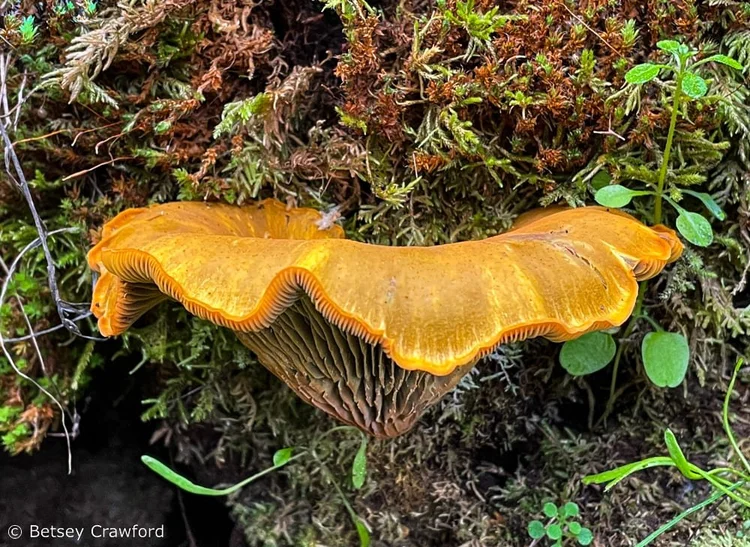
Mycelium entangled in webs

Mycelium is ecological connective tissue, the living seam by which much of the world is stitched in relation (Merwin Sheldrake). [Source: Betsy Crawford’s website. The Soul of the Earth … Exploring the world, flower by flower

Photographer, Betsy Crawford ponders: ‘What better time than Halloween to contemplate the fact that every single living thing on our planet is caught in a web. We seldom see any sign of it, but we wouldn't be here without them … Webs that can communicate, transport, find their way from one goal to another along the most efficient route. That can overcome problems, negotiate with other beings, sort through options. That know what is happening at the farthest reaches of their vast network … This particular manifestation of a web is, appropriately for the season, a western jack o'lantern mushroom (Omphalotus olivascens).’

facebook
We acknowledge the Traditional Custodians of these lands; on which we work, live and play. We pay our respects to the Elders past, present and emerging. It is important that we recognise their long histories with Country, and the care they have given to her for thousands of years. We celebrate, value and include people of all backgrounds, genders, sexualities, cultures, bodies and abilities.

Australian Institute of Ecological Agriculture Co-operative Ltd , Kite Street, Orange, NSW, 2800, Australia

Unsubscribe