|
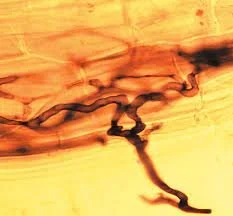
It is difficult to build a house with only plumbers or electricians or carpenters or bricklayers. A faster result can be obtained by assembling a team with a diversity of skills. And so it is with soils. The tradies for soil building come with the plants. The greater the number of families represented in a plant community, the greater the skill base and the better functioning the soil. Results from the Jena Biodiversity Experiment showed soil beneath plant communities comprising at least four plant families was significantly deeper and better-structured, with higher nutrient status and improved water-holding capacity, compared to the same soil beneath a low diversity of plants. Plant diversity also had a highly significant effect on the sequestration and stabilisation of soil carbon. A key finding to emerge from the Jena Experiment was that the intermingling of plants from at least four plant families significantly increased the exudation of carbon compounds into soil, supporting higher microbial biomass. The greatest increases were in beneficial soil fungi. Why are soil fungi important? While bacteria play vitally important roles in soil, including the solubilization of minerals such as phosphorus and the transformation of inert atmospheric nitrogen into plant available forms, they are largely reliant on plant-associated fungi to deliver energy from plant roots. There are many types of soil fungi. Some are seed-associated and form part of the plant’s inherent microbiome, others are opportunistic saprotrophs, while others, such as mycorrhizal fungi, are soil-dwelling obligate symbionts. Irrespective of the type, all forms of beneficial plant-associated fungi transfer energy to the bacterial communities involved in nutrient acquisition and stress tolerance. Soil fungi are also fundamental to the formation of water-stable aggregates. Mycorrhizal fungi are of special significance. These symbionts provide the infrastructure for the trading of goods and services below ground. Plants connected via common mycorrhizal networks are able to exchange minerals, trace elements, energy and biochemical signals. Mycorrhizal fungi also transport water to plants in dry times. Fungal hyphae extend beyond plant roots and access micropores too small for roots to penetrate. Plant diversity stimulates colonisation by mycorrhizal fungi. The microbial community a plant encounters at the germination stage can have a large influence on subsequent growth, via mechanisms including nutrient acquisition, resistance to pests and diseases and plant tolerance to stresses such as drought. Creating opportunities for plants to acquire microbes from neighbouring plants from different families or legacy microbes from preceding multi-species covers, can improve productivity and resilience. The more frequently multi-species are grown, the better the result. Replacing a warm-season mix with a cool-season mix and then another warm-season mix and so on, with different species in a different place each time, increases the microbial diversity in the entire plant community and all plants become fitter. In pasture situations it is becoming increasingly common for annuals to be sown with perennials to provide high soil microbial diversity in the initial stages of establishment. The annuals eventually fall away, but the early diversity gives the soil microbiome a boost and gets it off to a good start. It is important to ensure that at least four families of perennials remain once the annuals have finished. Other factors contributing to progressively improved outcomes in diverse plant communities include the deepening of soils, better aggregation, enhanced infiltration, higher moisture retention and an increased abundance of earthworms. These benefits are cumulative and create positive feedback loops. And vice versa. Under continuous wheat or corn or soy – or perennial pasture containing only grasses – soil microbial diversity, plant health and soil function often decline over time. In addition to the detrimental effects of monoculture on microbial diversity, the microbiome of many of today’s plant cultivars has been simplified by decades of excessive fertiliser and pesticide use. Who could have known monocultures were so detrimental to soil health? In our attempts to simplify agricultural production we’ve reduced the complexity that gives soil its vitality. Restoring richness and vibrancy to the below-ground soil ecosystem through above-ground plant diversity – combined with reduced inputs of toxic chemicals – is fundamental to improving the productivity and resilience of agricultural systems and ultimately, human and planetary health. Christine Jones PhD
www.amazingcarbon.com
|